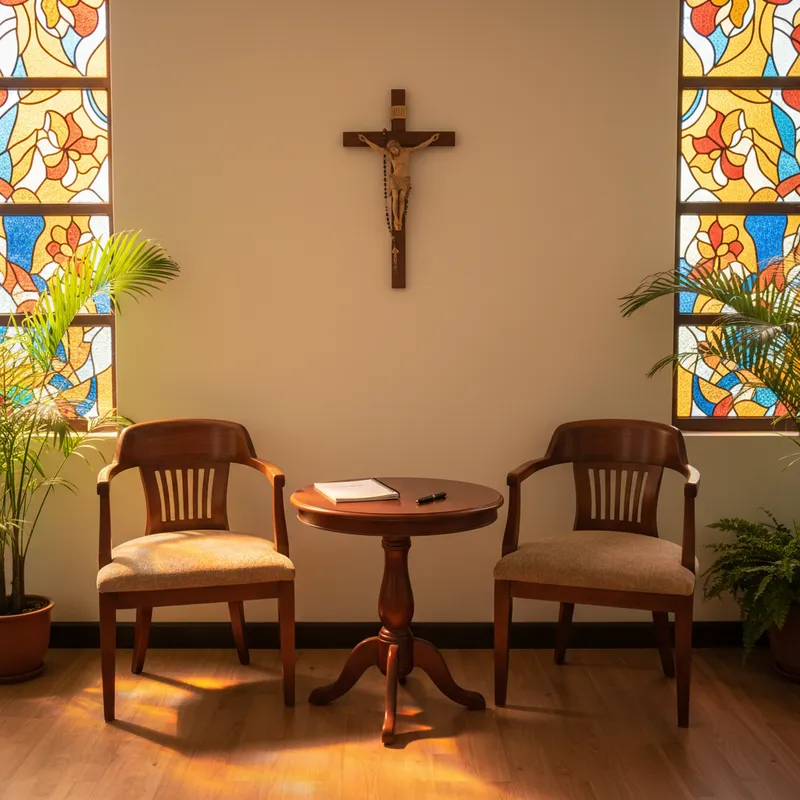
Pre-Cana Seminar in the Philippines: Everything You Need to Know
A Pre-Cana seminar is a marriage preparation program required by the Catholic Church before a church wedding in the Philippines. It typically lasts 1 full day or a 2-day weekend retreat, costs ₱500-₱2,000 per couple, and covers communication, finances, intimacy, conflict resolution, and the spiritual meaning of marriage. Both the bride and groom must attend together.
If you're planning a Catholic church wedding, Pre-Cana is one of the first things you need to schedule. It's not optional. But it's also not something to dread. Most couples say it was more helpful than they expected, and many wish they'd taken it more seriously.
Here's everything you need to know: what happens during the seminar, what topics are covered, how to find one near you, and how Pre-Cana differs from the civil pre-marriage counseling required by law.
What Is Pre-Cana?
"Cana" refers to the Wedding at Cana in the Bible, where Jesus performed his first miracle (turning water into wine at a wedding feast). Pre-Cana literally means "before Cana," or before the wedding.
In the Philippine context, Pre-Cana is a marriage preparation seminar organized by the Catholic Church. It's designed to help engaged couples prepare for the realities of married life, not just the wedding day.
Who needs it: Any couple getting married in a Catholic church in the Philippines. Even if only one partner is Catholic (with a mixed-marriage dispensation), the seminar is still required. Pre-Cana is one item on a longer parish list; see our church wedding requirements checklist for the rest.
Who runs it: Typically organized by the parish or diocese. Facilitators include priests, married couples, counselors, and family life ministry volunteers.
What Happens During the Seminar
Pre-Cana seminars combine lectures, group discussions, couple exercises, and personal reflection. The atmosphere is supportive, not judgmental. You'll be in a room with other engaged couples going through the same preparation.
Topics Covered
| Topic |
What You'll Discuss |
| Communication |
How to listen, express needs, and resolve misunderstandings. Role-playing exercises are common |
| Conflict resolution |
Strategies for disagreements. How to fight fair without damaging the relationship |
| Financial management |
Joint budgets, savings goals, debt management, financial decision-making as a team |
| Family planning |
Natural Family Planning (NFP) methods, responsible parenthood, Church teaching on openness to life |
| Intimacy |
Emotional vulnerability, physical affection, sexual intimacy within marriage, building deeper connection |
| Parenting |
Raising children, shared responsibilities, discipline approaches, balancing work and family |
| Spiritual life |
The sacrament of matrimony, the role of faith in marriage, praying together, building a Christ-centered home |
| In-laws and extended family |
Setting boundaries, managing expectations, balancing two families (very relevant in Filipino culture) |
The most valuable part for most couples is the couple exercise. You and your partner will be given questions to discuss privately, things you may not have talked about yet. Topics like "How do we handle money disagreements?" or "What are your expectations about having children?" These conversations alone make the seminar worth attending.
Schedule Formats
Pre-Cana comes in several formats depending on your parish:
| Format |
Duration |
Best For |
| One-day seminar |
8-10 hours (full Saturday or Sunday) |
Couples with busy schedules |
| Weekend retreat |
2 days (usually Saturday-Sunday) |
Couples who want deeper immersion |
| Weekly sessions |
4-6 sessions over 1-2 months |
Couples who prefer smaller doses |
| Online Pre-Cana |
Varies (some parishes now offer this) |
OFW couples or long-distance partners |
How to find a schedule:
- Call your parish office directly. Ask for the "Family Life Ministry" or "Pre-Cana coordinator"
- Check your diocesan website for upcoming schedules
- RMT-CEFAM offers structured programs in Metro Manila
- Some parishes post schedules on their Facebook pages
When to schedule: At least 6 months before your wedding date. Popular parishes fill up fast, and you'll need the certificate before your wedding documents are complete.
Cost
| Provider |
Typical Cost |
| Parish-run seminars |
₱500-₱1,500 per couple |
| Diocesan retreat programs |
₱1,000-₱2,000 per couple |
| RMT-CEFAM and similar organizations |
₱1,500-₱3,000 per couple |
| Some parishes |
Free (funded by the parish or diocese) |
The fee usually covers materials, venue, snacks/meals, and facilitator expenses. It's very affordable compared to other wedding costs. For where it sits in the full picture, see our 2026 wedding cost guide.
Pre-Cana vs. Civil Pre-Marriage Counseling
This confuses many couples. They're two different requirements:
|
Pre-Cana Seminar |
Civil Pre-Marriage Counseling |
| Required by |
Catholic Church |
Philippine Family Code (law) |
| Required for |
Church weddings |
All marriages (church AND civil) |
| Duration |
1 full day or 2-day retreat |
4-8 hours (half day to full day) |
| Topics |
Communication, faith, NFP, intimacy, spiritual life |
Family planning, financial literacy, legal rights |
| Cost |
₱500-₱2,000 |
Usually free (municipal/city office) |
| Where |
Parish or diocesan center |
Municipal/city population office or DSWD-accredited center |
| Certificate |
Pre-Cana certificate (for parish) |
Pre-marriage counseling certificate (for marriage license) |
If you're having a church wedding, you need BOTH. The Pre-Cana certificate goes to your parish. The civil pre-marriage counseling certificate goes to the Local Civil Registrar when you apply for your marriage license.
If you're having a civil wedding only, you just need the civil pre-marriage counseling. No Pre-Cana required.
For the full civil wedding process, see our guide: Civil Wedding Requirements Philippines 2026.
The Canonical Interview
Separate from Pre-Cana, your parish priest will conduct a canonical interview with both of you. This is a private one-on-one conversation (sometimes together, sometimes individually) where the priest assesses your readiness for marriage.
What to expect:
- Questions about your relationship, how you met, and why you want to marry
- Questions about your understanding of Catholic marriage (permanence, fidelity, openness to children)
- Discussion of any potential impediments (prior marriage, age, consanguinity)
- Practical questions about your wedding plans
It's not an interrogation. The priest is genuinely trying to help you prepare. Be honest and open.
Just locking in your church timeline? The free Wedding DNA quiz gives you a style direction and a realistic peso budget while the paperwork moves. About 5 minutes, no signup needed. Take the quiz
What to Bring
- Valid IDs (both partners)
- Confirmation of your parish enrollment or registration
- A notebook and pen (you'll want to take notes)
- Comfortable clothes (it's a long day)
- An open mind. Even if you've been together for years, you'll learn something new about your partner
Common Questions
Q: Can we attend Pre-Cana at a different parish from where we're getting married?
Yes. Most parishes accept Pre-Cana certificates from other parishes or diocesan programs. Confirm with your wedding parish first.
Q: What if my partner isn't Catholic?
You can still attend. Pre-Cana is required for the Catholic partner, and your non-Catholic partner is welcome (and expected) to participate. The facilitators will be respectful of different faith backgrounds.
Q: Do we have to agree with everything taught?
No. You're expected to listen and reflect, not to blindly agree. The seminar is about preparation, not indoctrination. Many couples find value in the relationship exercises regardless of their level of religiosity.
Q: What if we've been living together already?
This is common and the facilitators know it. You won't be judged. The seminar addresses real-life situations, not idealized ones.
Q: Can we do Pre-Cana online?
Some parishes and dioceses now offer online options, especially after the pandemic. Check with your parish or diocese. This is particularly helpful for OFW couples or partners living in different cities.
Building your full timeline? Our 12-Month Wedding Planning Checklist shows exactly when to schedule Pre-Cana and every other milestone.
Make Pre-Cana Count
Pre-Cana isn't just a box to check. The couples who get the most out of it are the ones who go in with genuine curiosity about their partner and their future together. The seminar gives you a structured space to have conversations that daily life usually pushes aside.
As you lock in the church requirements, it's also a good time to set up your free wedding website to share the ceremony details and start collecting RSVPs.
For the bigger picture on church vs. civil wedding planning, read our full guide: Church vs Civil Wedding in the Philippines.
Discover your Wedding DNA. Free, about 5 minutes, no signup needed. Take the quiz
Sources: Catholic Bishops' Conference of the Philippines (CBCP), Episcopal Commission on Family and Life, RMT-CEFAM, Canonical and Family Life Ministries, Nuptials.ph Pre-Cana Guide, Bride and Breakfast, Pre-Cana and Canonical Interview, EventNest, Philippine Pre-Cana Seminars. Requirements may vary by parish and diocese. Always confirm with your parish office.
Plan your wedding with clarity
Discover your Wedding DNA in 5 minutes. Free, no signup needed.
Take the Free Quiz