How to Plan a Modern Filipiniana Wedding
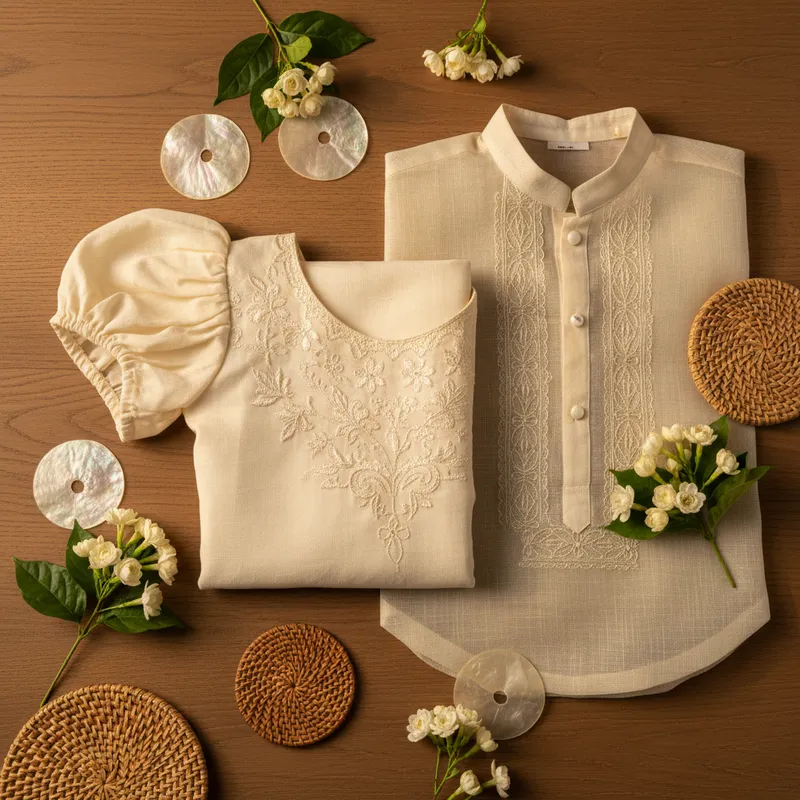
A Filipiniana wedding centers on a terno gown for the bride (₱8,000-₱80,000), barong Tagalog for the groom (₱3,000-₱50,000), local materials like capiz and rattan for decor, Philippine-native flowers, and Filipino cuisine. It can actually cost less than a Western-style wedding because it favors local sourcing over imports.
A Filipiniana wedding celebrates Filipino heritage through traditional attire, local materials, and cultural elements woven into a modern celebration. Think terno butterfly sleeves, barong Tagalog embroidery, capiz shell accents, local flowers, and Filipino cuisine served with pride. It's one of the most beautiful and meaningful wedding themes, and it's making a strong comeback in 2026.
This guide covers everything you need to style a Filipiniana wedding: attire for the couple and entourage, decor and materials, flowers, food, ceremony elements, and practical tips for pulling it all together.
Attire: The Heart of a Filipiniana Wedding
The Bride: Terno or Maria Clara
The terno is the signature Filipino formal dress, recognizable by its dramatic butterfly sleeves (also called "balintawak" sleeves). A modern terno keeps the iconic silhouette but updates the fit, fabric, and details for today's brides.
Traditional terno elements:
- Butterfly sleeves (the defining feature)
- Fitted bodice
- Full or A-line skirt
- Piña fabric, silk organza, or jusi
Modern updates for 2026:
- Streamlined butterfly sleeves (less extreme, more wearable)
- Form-fitting silhouettes with contemporary cuts
- Duchess satin and silk organza for a luxe feel
- Intricate beadwork or hand-embroidered details
- Detachable sleeves for ease at the reception (you can switch to a simpler look for dancing)
Price range: ₱25,000-₱80,000 for a custom-made terno gown. Ready-to-wear and rental options start at ₱8,000-₱15,000.
Where to find designers: Look for Filipino designers who specialize in modern Filipiniana. Mestiza Filipina, Kultura Filipino, and VINTA Gallery offer contemporary Filipiniana pieces. Local designers in Intramuros and Quiapo also offer affordable custom work.
The Groom: Barong Tagalog
The barong Tagalog is the Philippines' national formal wear and the most common groom's attire for Filipino weddings, not just Filipiniana themes.
Traditional elements:
- Sheer or semi-sheer fabric (piña, jusi, or organza)
- Intricate hand-embroidered front panel
- Mandarin or Chinese collar
- Worn untucked over a camisa de chino (inner shirt)
Modern updates for 2026:
- Subtle color variations (ivory, champagne, light blue) instead of only stark white
- Slimmer, more tailored fits
- Machine-embroidered options for budget-conscious grooms (₱3,000-₱8,000)
- Hand-embroidered heirloom barongs for those who want the real thing (₱15,000-₱50,000+)
- Some grooms pair the barong with a modern suit jacket for the reception
Price range: ₱3,000-₱15,000 for machine-embroidered. ₱15,000-₱50,000+ for hand-embroidered piña. Rentals available at ₱2,000-₱5,000.
The Entourage
For a cohesive Filipiniana look:
| Role | Suggested Attire | Budget Range |
|---|---|---|
| Bridesmaids | Matching terno tops with modern skirts, or Filipiniana-inspired cocktail dresses | ₱2,000-₱8,000 each |
| Groomsmen | Matching barong Tagalog (same fabric/color) | ₱3,000-₱8,000 each |
| Flower girl | Mini terno or Filipiniana dress | ₱1,500-₱5,000 |
| Ring bearer | Mini barong with dark pants | ₱1,500-₱3,000 |
| Ninang (sponsors) | Terno or Filipiniana dress in complementary color | Their choice (share your palette) |
| Ninong (sponsors) | Barong Tagalog | Their choice (share fabric preference) |
Tip: Share your color palette and fabric preference with the entourage 4-6 months before the wedding. This gives everyone time to have pieces made or sourced.
The attire above covers a Filipiniana-themed celebration. If you are setting a dress code for guests, or you are a guest, sponsor, or entourage member wondering what a "Strictly Formal" or "Filipiniana" invitation actually calls for, our guide to what to wear to a Filipino wedding decodes each code for the whole cast.
Decor and Materials
A Filipiniana wedding should feel distinctly Filipino without looking like a cultural museum. Use traditional materials as accents, not as the entire design.
Key Filipino Materials
| Material | How to Use It | Where to Source |
|---|---|---|
| Capiz shells | Lanterns, chandeliers, table accents, hanging installations | Capiz province artisans, Manila home decor shops |
| Rattan and wicker | Chairs, baskets, trays, ceremony arch frames | Pampanga furniture makers, local craft markets |
| Abaca and jute | Table runners, napkin rings, place card holders | Bicol and Visayas weavers, Kultura stores |
| Banig (woven mat) | Aisle runner, wall backdrop, gift table accent | Samar, Leyte, or Basey weavers |
| Piña cloth | Table overlays, napkins, ceremony decor | Aklan piña weavers |
| Wood (narra, acacia) | Centerpiece bases, signage, cake stands | Local carpenters, thrift shops |
Color Palette for Filipiniana
The natural palette works best: warm golds, ivory, cream, and earth tones accented with deep greens or burgundy. See our 8 Color Palette Ideas for specific combinations. The "Warm Neutrals" and "Emerald and Gold" palettes pair especially well with Filipiniana themes.
Lighting
- Capiz shell parol (star lanterns) as hanging decor
- Warm string lights (not cool white)
- Candles in wooden or rattan holders
- Avoid neon or LED color-changing lights. They clash with the traditional feel.
Flowers
Choose Philippine-native or locally available flowers to stay on-theme and on-budget:
| Flower | Why It Works | Season |
|---|---|---|
| Sampaguita (jasmine) | Philippine national flower. Fragrant, delicate, deeply symbolic | Year-round |
| White orchids | Elegant, long-lasting, widely available in PH | Year-round |
| Sunflowers | Bright, cheerful, very affordable locally | Year-round |
| Local roses (white, blush) | Classic and affordable when sourced locally | Year-round |
| Ilang-ilang (ylang-ylang) | Beautifully fragrant, native to the Philippines | Year-round |
| Tropical greens (monstera, ferns, palm) | Lush, affordable, very Filipino | Year-round |
Avoid (for budget reasons): Imported peonies, David Austin roses, blue hydrangeas. These cost 3-5x more and don't match the local, grounded feel of a Filipiniana theme.
Arrangement style: Loose, natural, slightly wild. Tight, structured arrangements feel Western. The Filipino aesthetic is warm and relaxed.
Food
This is where Filipiniana shines. Filipino cuisine at a Filipino-themed wedding is a perfect match. Don't be afraid to serve traditional food with pride.
Reception menu ideas:
- Lechon as the centerpiece (₱8,000-₱15,000 for a whole lechon, serves 40-60)
- Kare-kare, sinigang, or caldereta as main dishes
- Pancit canton or palabok as a noodle station
- Halo-halo bar or leche flan for dessert
- Buko juice, calamansi juice, or sago't gulaman for drinks
- Bibingka or puto bumbong station (especially for December weddings)
Service style: Buffet is most natural for a Filipiniana reception. Family-style (large shared platters on each table) is even more authentically Filipino and can be more intimate.
Tip: Filipino food is inherently budget-friendly. A buffet with lechon, pancit, and 2-3 main dishes can run ₱1,500-₱2,500 per head, which is below the typical hotel catering rate.