The Complete Guide to Wedding Sponsors (Ninong & Ninang) in the Philippines
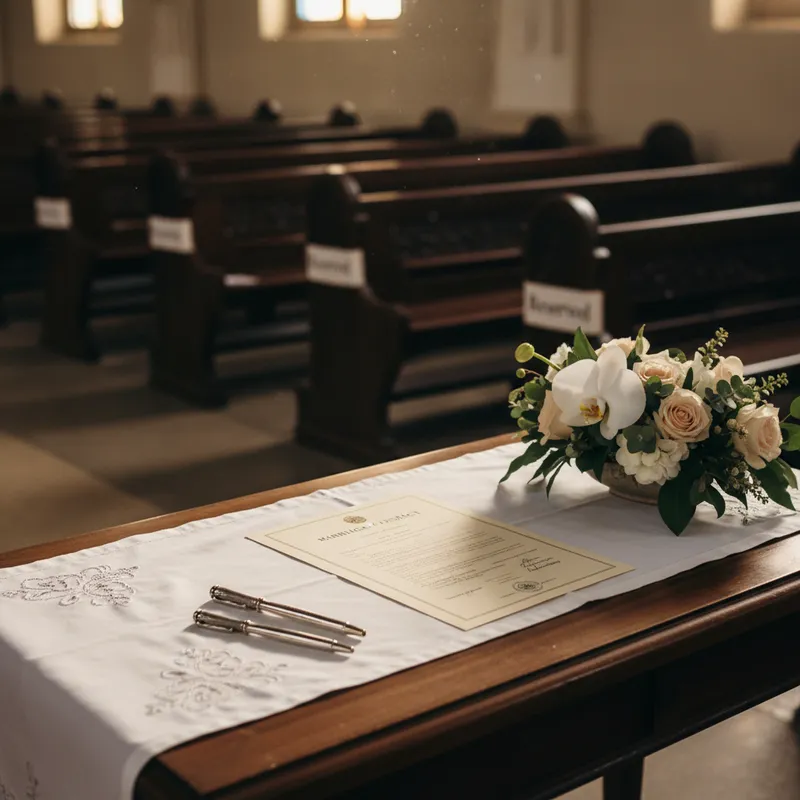
In a Filipino wedding, principal sponsors (Ninong and Ninang) are more than witnesses. They are mentors, second parents, and the people you turn to long after the reception lights dim. They sign the marriage contract, making your union legally and spiritually binding. Typically, Filipino couples choose 2 to 12 pairs (4 to 24 individuals), though most parishes recommend 2 to 6 pairs for a meaningful, manageable ceremony.
If you're planning a Filipino wedding, or you've just been asked to be a Ninong or Ninang, this guide covers everything: how many, how to choose, what they actually do, and the etiquette that matters.
What Exactly Is a Ninong and Ninang?
Ninong (godfather) and Ninang (godmother) are the principal sponsors of a Filipino wedding. The term comes from the same tradition as baptismal godparents. They are the couple's spiritual and moral guides.
In a church wedding: Ninong and Ninang sign the marriage contract alongside the couple, serve as official witnesses before the Church and the state, and participate in the ceremony with formal liturgical roles. A church wedding also requires the couple to complete a Pre-Cana seminar, so schedule that early alongside choosing your sponsors.
In a civil wedding: They serve as legal witnesses who sign the marriage certificate. Their role is less formal but still significant. They stand as supporters of the union.
After the wedding: This is the part most people forget. Being a Ninong or Ninang is a lifelong commitment. They're expected to be the couple's "second parents," people you can call for advice, support, and guidance throughout your marriage. In Filipino culture, the relationship between couples and their sponsors is one of mutual respect and deep trust.
How Many Ninong and Ninang Do You Need for a Wedding?
Filipino couples typically choose 2 to 12 pairs of ninong and ninang, which is 4 to 24 people in total. Most parishes recommend 2 to 6 pairs for a ceremony that stays manageable. The minimum is one pair, and around 12 pairs is the practical maximum. A civil ceremony needs only 2 witnesses and has no legal limit.
Beyond those numbers there is no single rule. It depends on your ceremony type, parish requirements, and personal preference.
| Ceremony Type | Minimum | Typical Range | Maximum (practical) |
|---|---|---|---|
| Catholic church | 2 individuals (1 pair) | 4 to 12 pairs (8 to 24 people) | 12 pairs (24 people) |
| Civil ceremony | 2 witnesses | 2 to 6 pairs | No legal limit |
| Christian (non-Catholic) | Varies by denomination | 2 to 4 pairs | Ask your pastor |
What affects the number:
- Parish rules: Some churches set minimums and maximums. Always call the parish office first.
- Venue space: More sponsors = more reserved front-row seats and longer processional
- Budget: More sponsors means more corsages, boutonnières, tokens/gifts, and reserved seats
- Photo time: Each additional pair adds 3 to 5 minutes to the signing and group photo sequence
- Your preference: Some couples want 24 sponsors for community representation. Others want 4 for intimacy. Both are valid.
Pro tip: In Filipino culture, it's common for parents to have their own list of preferred sponsors. Have that conversation early. It avoids last-minute additions and hurt feelings.
How to Choose Your Sponsors
Choosing the right Ninong and Ninang is one of the most meaningful decisions in your wedding planning. These are the people whose marriage and values you admire.
Prioritize people who:
- Model the values you want to grow into as a couple
- Know you personally (not just your parents' friends)
- Have a marriage or relationship you genuinely respect
- Will be approachable mentors, not just names on a certificate
- Can commit to key dates: Pre-Cana seminar (if required by your parish), rehearsal, and ceremony
It's okay to include:
- Single sponsors. Some parishes allow this, others don't (check first)
- Friends, not just relatives. Your college best friend who's been married 10 years counts
- Sponsors from abroad. Confirm travel timelines or arrange virtual participation if your rite allows
- A mix of ages. Young mentors and older wisdom figures create balance
Avoid choosing sponsors based solely on:
- Social status or wealth (this is about mentorship, not prestige)
- Family obligation alone ("we have to include Tito because he'll be offended")
- The assumption that they'll give a big cash gift
How to Ask Them (With Respect)
In Filipino culture, asking someone to be your Ninong or Ninang is a sign of deep respect. Don't do it over text.
The best approach:
- Visit them in person (or video call for long-distance/OFW sponsors)
- Share why you chose them specifically: "We admire your marriage and we've learned so much from you"
- Explain the date, venue, and what "sponsor" means in your ceremony
- Mention any scheduling requirements (Pre-Cana, rehearsal, documents)
- Follow up with a written note or formal invitation
Sample message you can adapt:
"Tito/Tita [name], we've always admired your marriage and the way you support each other. It would mean the world to us if you would stand with us as our Ninong/Ninang. Our wedding is on [date] at [venue]. We'll share the full timeline once the church confirms. Maraming salamat po for considering."
What if they say no? It happens. Health, travel, schedule conflicts. Thank them graciously and don't take it personally. Have a short backup list ready.
Want to make the ask feel special? Many couples in 2026 add a creative or digital layer: a short video invitation, a keepsake box, or a Modern Filipiniana invite card for sponsors abroad. See our guide to creative ways to ask your ninong and ninang for formats and a script that still feels personal.