Wedding Venues in the Philippines: Where to Start
Wedding venues in the Philippines fall into six practical types: garden, restaurant or private dining, beach and resort, hotel ballroom, community or function hall, and the family home. Venue rental alone ranges from free (a family property) to roughly ₱5,000 up to ₱80,000 or more depending on the type, with catering adding about ₱2,000 to ₱3,000 per guest on top. The right choice comes down to three questions: how many guests you are inviting, what your total budget is, and whether you want everything handled in one place or are willing to coordinate a caterer and suppliers yourself.
Your venue is usually the first big booking you make, and it quietly sets the ceiling for everything else: your guest count, your catering bill, your travel logistics, even your photos. Book it before you have thought those through and you can lock yourself into costs you did not plan for. This guide walks through each venue type, what it suits, a realistic cost band, and the exact questions to ask before you sign, so you choose with clear eyes.
The 6 Types of Wedding Venues (and What Each Suits)
1. Garden venues
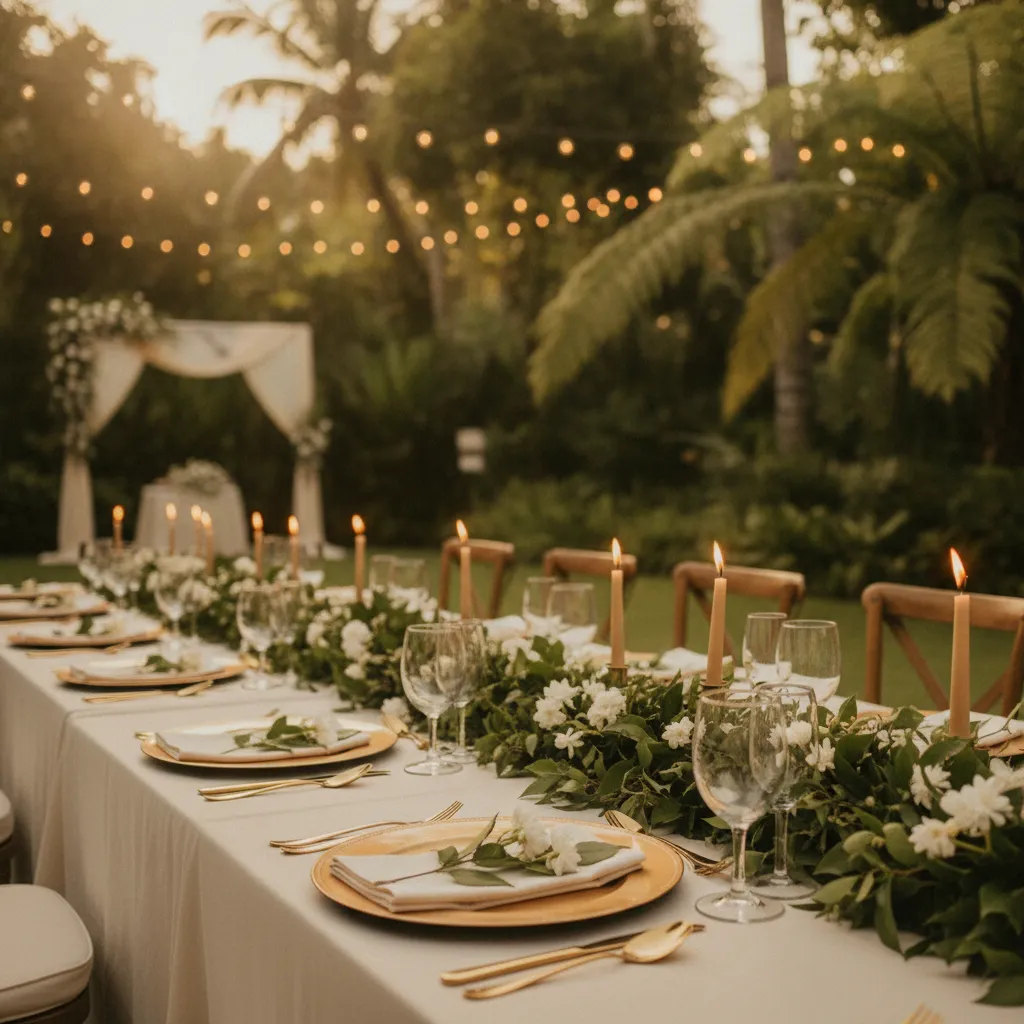
Garden and outdoor estates in Tagaytay, Antipolo, Laguna, and Batangas are a favorite for Filipino couples who want greenery, natural light, and space to breathe. Many offer the ceremony and reception in one location, which saves you a second venue and guest transport.
- Ideal for: 50 to 150 guests who want a relaxed, photogenic outdoor celebration
- Typical rental: around ₱15,000 to ₱50,000 for the venue, then bring your own caterer
- Watch for: weather. The wet season (roughly June to November) means you will want a tent, a generator for brownouts, and a covered backup plan
2. Restaurants and private dining
A restaurant with a private room or a full buyout is one of the better-value options in the Philippines, because the food is the venue's specialty and the quality is often better than a hotel banquet. Many restaurants in Manila, Tagaytay, and Cebu waive the venue fee if you hit a food minimum.
- Ideal for: 50 to 80 guests who care most about the food
- Typical package: around ₱30,000 to ₱80,000 for 50 to 80 guests, often including basic decor, sound, and a coordinator
- Watch for: capacity limits and set menus. Confirm the room fits your final headcount comfortably, not at a squeeze
3. Beach and resort venues
Beach and resort weddings suit couples going for a destination feel, whether that is a Batangas or Cebu resort or a full island celebration. Resorts usually sell packages that bundle the venue, catering, and sometimes accommodations, which simplifies planning but raises the total.
- Ideal for: couples with guests willing to travel and a higher budget
- Typical cost: package-based and varies widely by resort and season, so ask each resort directly for a per-head quote and what it includes
- Watch for: guest logistics. Travel and overnight stays add real cost for your guests, so a smaller, committed list is easiest
4. Hotel ballrooms
Hotel ballrooms are the premium, all-in-one choice: air-conditioned, weatherproof, with in-house catering, a coordinator, and staff who run weddings every week. You pay for that convenience, and it is typically the highest-cost venue type.
- Ideal for: 150 or more guests, formal celebrations, and couples who want minimal coordination
- Typical cost: priced per head with a required minimum, and packages vary by hotel, so request the full package sheet
- Watch for: corkage on outside food, cake, and drinks, plus overtime rates past the contracted hours
5. Community and function halls
Barangay halls, church function rooms, clubhouses, and community centers are the quiet budget heroes. They will not be Instagram-perfect out of the box, but they are spacious, functional, and leave you far more room to invest in food and photography.
- Ideal for: couples prioritizing budget, or a simple reception after a church ceremony
- Typical rental: around ₱5,000 to ₱20,000
- Watch for: what is and is not included. Many are a bare room, so budget for tables, chairs, cooling, sound, and styling
6. The family home or backyard
One of the most affordable paths is a relative's home, garden, or property. It works beautifully for intimate weddings of 20 to 50 guests, and there is a warmth to marrying where your family already gathers.
- Ideal for: intimate weddings on a tight budget
- Typical cost: the space is free, then plan around ₱10,000 to ₱25,000 for tables, chairs, and a tent rental
- Watch for: logistics. You are the coordinator here, so a caterer who does home service and a day-of coordinator are worth every peso
Venue Types at a Glance
| Venue type | Ideal for | Typical venue cost (2026) |
|---|---|---|
| Family home / backyard | Intimate, tight budget | Free + ₱10,000 to ₱25,000 rentals |
| Community / function hall | Budget, simple reception | ₱5,000 to ₱20,000 |
| Garden estate | Relaxed outdoor, one location | ₱15,000 to ₱50,000 rental |
| Restaurant / private dining | Food-first, 50 to 80 guests | ₱30,000 to ₱80,000 package |
| Beach / resort | Destination feel, higher budget | Package-based, ask per resort |
| Hotel ballroom | Large, formal, all-in-one | Per head with a minimum, premium |
Catering is separate unless a package includes it, and it is usually your single biggest line. Plan around ₱2,000 to ₱3,000 per head, which means every 10 guests adds roughly ₱25,000 to your bill. That is exactly why guest count and venue choice are the same decision. For the full picture, see our budget wedding guide and the complete 2026 wedding cost breakdown.
How to Match Venue to Guest Count and Budget
Work in this order, because each answer narrows the next:
- Fix your guest count first. A 40-guest wedding and a 200-guest wedding are not the same event, and most venues have a comfortable capacity range. Lock a realistic number before you visit anywhere. Our 12-month planning checklist has a simple way to build the list.
- Set your total budget, then reverse into the venue. As a rough guide, venue and catering together often take the largest share of a wedding budget, so if your all-in number is tight, the community hall, garden, or home path keeps the most money free for food and photos.
- Decide all-in-one versus DIY. Hotels and resorts bundle catering, styling, and coordination. Gardens, halls, and homes usually mean you bring your own caterer and suppliers, which is cheaper but needs more coordination. Neither is wrong. It is a trade of money for effort.
A quick reality check on capacity: catering at ₱2,500 per head means 80 guests is already ₱200,000 in food alone. If a venue's minimum pushes your headcount up, the venue is quietly deciding your budget for you.