What Is Pamamanhikan?
Pamamanhikan is the Filipino tradition where the groom and his family visit the bride's family to formally ask for her hand and receive her parents' blessing. In 2026, most couples also treat it as the first time both families sit together to talk about the wedding itself: the date, the rough guest list, and how the celebration will be shared. This guide covers what pamamanhikan means, when to hold it, who comes, what to bring, what gets discussed, and the one thing you and your partner should settle before you ever sit down.
Kung kasisimula mo pa lang, relax. Pamamanhikan is not a test you can fail. It is a warm meal between two families who are about to become one. Done well, it sets a calm tone for everything that follows.
Where the Word Comes From
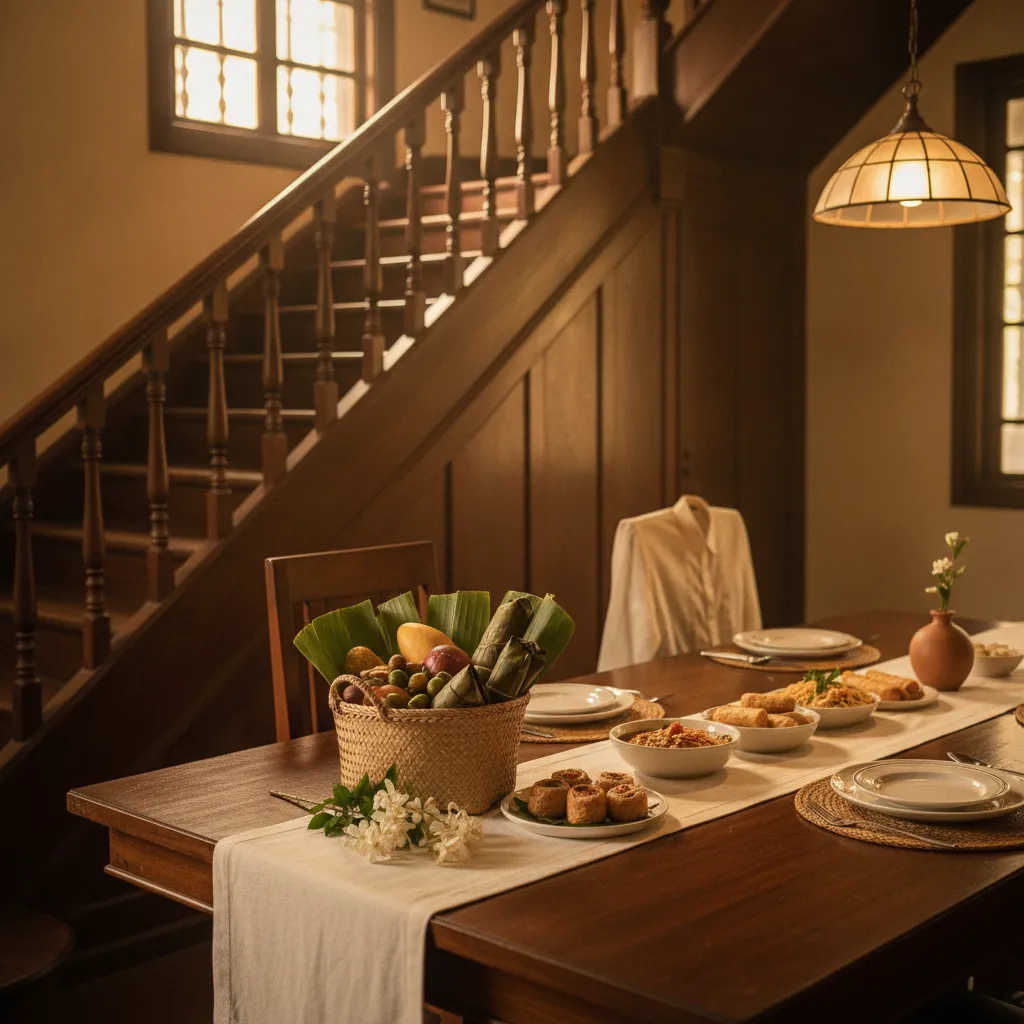
The word pamamanhikan comes from panhik, meaning to climb or go up the stairs. Older Filipino homes were built raised off the ground, with a flight of steps leading to the front door. A man who wanted to marry had to climb those steps and present himself to the family inside. The act of going up the stairs became the name for the whole ritual of asking.
That image still tells you what the tradition is really about. Filipino marriage is treated as a joining of two families, not only two people. Pamamanhikan is the moment that joining begins out loud.
When to Hold Pamamanhikan (and Who Comes)
Most families hold pamamanhikan a few months before the wedding, after the proposal but before any deposits are paid. Early enough that the families can shape the plan together, late enough that you and your partner already have a sense of what you want.
Who attends is usually small and close:
- The couple, together
- The groom's parents (and sometimes a respected elder, like a lolo, lola, or ninong)
- The bride's parents and immediate family
- Occasionally siblings who are close to the couple
Keep the first gathering intimate. This is not the reception. A crowded room makes honest conversation harder, and honest conversation is the point. If you have not told your families the news in person yet, do that first. Our guide on the first week after getting engaged walks through the order of who to tell and why in-person still matters in Filipino families.
Home or Restaurant: The Modern Pamamanhikan
Traditionally, pamamanhikan happens at the bride's home over a meal her family cooks. Today many couples choose a restaurant instead, especially when families live in condos, keep busy schedules, or simply want a no-fuss setting. Neither is more "correct." Comfort matters more than form.
|
Home setup (classic) |
Restaurant setup (modern) |
| Feel |
Warm, sentimental, personal |
Relaxed, neutral, low-pressure |
| Best for |
Families who love to cook and host |
Small spaces, tight schedules, calmer nerves |
| Effort |
Cooking, hosting, cleaning |
Reservation and a quiet table |
| Tip |
Serve dishes both families already love |
Book a private corner so talk is not drowned out |
If you go the restaurant route, pick a quiet place with shareable dishes and reserve early. If you host at home, you do not need a grand feast. A spread of kare-kare, pancit, lumpia, and a sweet dessert is more than enough. Filipino parents bond over dessert.
What to Bring and What to Wear
Small gestures carry weight here. The groom's side traditionally brings pasalubong as a sign of respect: pastries, fruit, native delicacies, or flowers. Nothing extravagant. The thought is what registers.
A simple checklist for the groom's family:
- A pasalubong or two (food, fruit, or flowers travel well)
- On-time arrival, ideally a few minutes early
- A warm, sincere greeting for the bride's elders
- An offer to help, if hosting duties come up
On dress code, pamamanhikan is a respectful occasion, not a costume event. A clean barong Tagalog, a smart polo, or a simple dress all work. When in doubt, dress one notch above casual.
What Families Actually Discuss
Once the blessing is given, the conversation usually turns to the wedding. Common topics include the date, the venue, the rough guest list, and how the celebration will be funded. This is also where Filipino families talk about who contributes to what.
Here is where tradition and modern practice differ, and where you have room to choose.
| Topic |
The older default |
What many couples do now |
| Who pays |
The groom's family shouldered most costs |
Couples and both families split or contribute by category |
| Guest list |
Parents added names freely |
Couples set a range first, then invite family input |
| Decisions |
Elders led the planning |
The couple leads, families advise and support |
Notice the pattern. The modern version keeps the respect and the togetherness, but the couple holds the pen. That shift is healthy, and it is far easier to pull off when you walk in already aligned.
A note on money. Filipino weddings very commonly involve family contributions, and that is a gift worth honoring with grace. Just keep the figures out of the first meeting if you can. Talk ranges and priorities with your partner privately first, then bring a calm summary to the families. For realistic 2026 ranges to anchor that private talk, see our wedding budget guide for the Philippines. Treat any number as an estimate that varies by region, season, and vendor.
The One Thing to Settle Before You Sit Down
Here is the part most guides skip. The biggest pamamanhikan stumbles do not come from the wrong pasalubong or the wrong seating. They come from a couple who has not yet agreed on what kind of wedding they want, walking into a room where two families are ready to decide for them.
When you and your partner have one shared direction, the meeting flows. You can absorb suggestions without losing yourselves, and you can say "we love that idea, and here is what we are picturing" instead of going quiet. When you do not, the loudest opinion in the room often wins, and that opinion is rarely yours.
This is the same reason a lot of couples fight while planning. The argument looks like it is about a venue or a number, but underneath it is two people imagining different days. Align on the vision and most of those fights never start.
You do not need every detail locked. You need agreement on the feel: intimate or grand, traditional or modern, church or garden, the three things that matter most to you both. If naming that feels hard, you are not alone. Most couples struggle to put their "vibe" into words beyond elegant or simple.
That gap is exactly why we built the Wedding DNA quiz. In about five minutes, it turns your answers into a shared style direction, palette, and mood you can both point to. Walk into pamamanhikan with that, and you are aligned before the soup is served. Try it free at Storia.
A Simple Pamamanhikan Flow
You do not need a script. A light shape keeps the evening from stalling:
- Warm welcome. Greet the elders, hand over the pasalubong, settle in.
- Short stories. Parents love hearing how you met and a small milestone or two. This eases everyone in.
- The ask and the blessing. The heart of the night. Keep it sincere.
- Light wedding talk. A rough date window and the general vision, not a full spreadsheet.
- Clear next steps. Close by naming what happens next, so no one leaves guessing.
A good closing line sounds like, "We will check churches this week and send the families our shortlist." Clarity at the end prevents misunderstandings later.
Common Mistakes (and Calmer Fixes)
- Turning it into a budget summit. Heavy money talk on the first night raises the temperature fast. Settle ranges privately, share a calm summary.
- No briefing beforehand. Awkwardness usually comes from people not knowing what to expect. Send both families a short heads-up: where, when, who, and roughly what you will discuss.
- Forgetting the guest-list question. Family lists balloon quietly. Open the topic gently and early. Our guide on setting a wedding guest list limit has scripts that hold the line kindly.
- Skipping it entirely. Even a casual, modern version matters. The blessing is what the elders remember.
- Walking in unaligned. Covered above. Decide your direction together first.
Pamamanhikan FAQ
Is pamamanhikan still required in 2026?
It is a tradition, not a legal requirement. Many couples still hold one because the blessing carries real weight in Filipino families, even when the format is modern and relaxed.
Who pays for the wedding in the Philippines?
There is no single rule anymore. The groom's family once shouldered most costs, but couples today often split expenses or accept contributions by category from both families. Decide your own arrangement privately, then discuss it warmly. Avoid fixing exact amounts at the first meeting.
How long before the wedding should we hold pamamanhikan?
Commonly a few months ahead, after the proposal and before major deposits. Early enough to plan together, late enough that you already know roughly what you want.
What is the difference between pamamanhikan and the proposal?
The proposal is between the two of you. Pamamanhikan is between the two families. One can follow the other by weeks or months.
What do you bring to pamamanhikan?
The groom's side traditionally brings pasalubong: pastries, fruit, native delicacies, or flowers. Simple and sincere beats expensive.
Do we have to discuss money at pamamanhikan?
No. Many modern etiquette guides suggest saving detailed budget and guest-list talks for a separate planning conversation, so the first meeting can stay warm. Once the blessing and the wedding are settled in spirit, the next step is usually the paperwork. Our marriage paperwork timeline shows what to file and when.
Bringing Two Families Together
At its best, pamamanhikan is not a hurdle. It is the night two families decide to become one team. Keep it warm, keep it sincere, and keep the heavy logistics for later. The families will remember how the evening felt, not how the budget was divided.
The calmest couples are the ones who arrive already agreeing on the wedding they want. That agreement is something you can build in an afternoon, together, before anyone climbs the stairs.
Discover your Wedding DNA. Free, no signup needed. Take the quiz
Sources: Inquirer Lifestyle, "Preparing for marriage, the Filipino way", Bride and Breakfast PH, pamamanhikan guide, ModernFilipina.ph. Customs vary by family, region, and community. Any cost arrangements are illustrative and may vary by vendor, location, and season.
Plan your wedding with clarity
Discover your Wedding DNA in 5 minutes. Free, no signup needed.
Take the Free Quiz