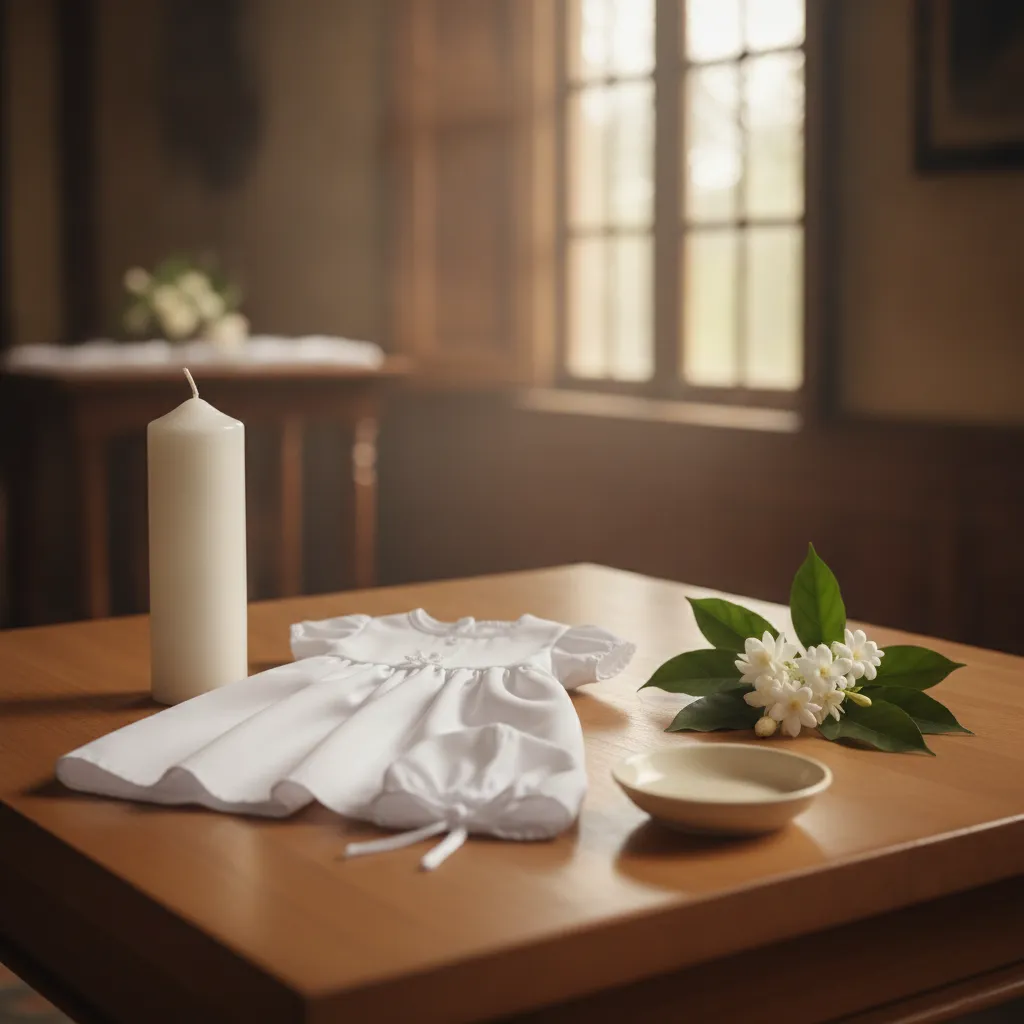
Christening Requirements in the Philippines
For a Catholic christening (binyag) in the Philippines, you generally need the child's PSA birth certificate, the parents' details, your chosen godparents, attendance at the parish's pre-baptism seminar, a booked schedule at the church, and the baptism fee or donation. On the day, you bring a white garment and a baptismal candle. Exact requirements vary by parish and diocese, so the one rule that always applies is to call or visit your chosen church early and ask for their specific list.
If you planned a wedding recently, a binyag will feel familiar: a parish, a short list of documents, a seminar, and a booking, just smaller and sooner than you think. This guide walks through what to prepare, how far ahead to book, and the day-of essentials, all grounded in common parish practice.
This is general information, not official Church guidance. Requirements, seminars, and fees differ by parish, so confirm the exact list with the church where the baptism will be held.
The Documents and Details You Need
Most parishes ask for a similar core set. Prepare these before you book.
- The child's PSA birth certificate (and some parishes accept the hospital or local civil registry copy while the PSA copy is in process, so ask).
- The parents' full names and marriage details, if applicable. Some parishes ask whether the parents were married in the Church; it does not prevent the baptism, but they may note it.
- The godparents' names, and confirmation that your official sponsor or sponsors meet the Church's requirements.
- A baptism application form, which the parish office provides.
Keep these together in one folder, the same habit that serves you for any church paperwork, including the marriage certificate after a wedding.
Choosing Your Godparents (the Part to Get Right Early)
The Church officially requires only one godparent, or one godfather and one godmother, who sign the baptismal record and must meet its conditions: a confirmed Catholic who has received First Communion, meets the parish's minimum age, and is not the child's parent. Families usually add many honorary ninong and ninang beyond that.
This is worth settling early, because the official sponsor may need to attend the pre-baptism seminar and present their own details. For how many to have, who qualifies, and how to ask, see our full guide to ninong and ninang for baptism.
The Pre-Baptism Seminar
Most Catholic parishes require the parents, and often the godparents, to attend a short pre-baptism seminar before the binyag. It covers the meaning of the sacrament and the family's role in raising the child in the faith.
- Ask the parish when the seminar is held (many run it on a set day, sometimes the same day as the baptism, sometimes earlier).
- Confirm who must attend, since parishes differ on whether all godparents or only the official sponsors are required.
- If a sponsor is abroad or cannot attend, ask the parish how they handle it, since some allow a substitute or a separate arrangement.
Booking the Parish and the Schedule
Baptisms are usually held on set days and times, often a weekend, and popular parishes book out, so plan ahead.
- Call or visit the parish office to get their exact requirements and available dates.
- Submit the documents and application and pay or arrange the fee.
- Attend the seminar on the parish's schedule.
- Confirm the final date and time, and how many families share the schedule, since some parishes do group baptisms.
Booking a month or more ahead is sensible, and earlier for a specific date or a parish in demand.